 OwnKeep

Decide what the first version must answer
Choose three questions: what is the item, where is it, and where is its proof? Those questions keep the project smaller than an ambitious spreadsheet with twenty compulsory columns. Add value, dates, and coverage details when you have reliable information, but do not make missing receipts a reason to postpone the whole inventory.
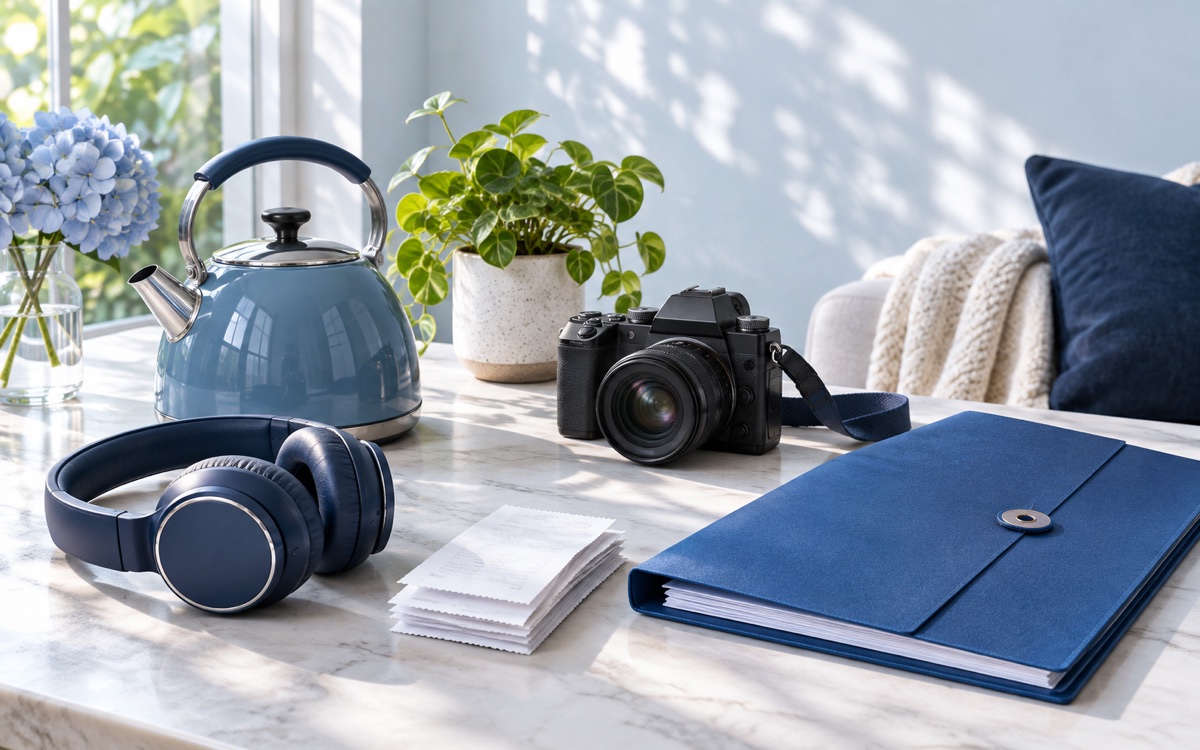
A practical starting list might include your main computer, television, kitchen appliances, camera, bicycle, and a few important pieces of furniture. This is a prioritization exercise, not a statement about insurance coverage. Use the first afternoon to create a navigable record of the belongings you would struggle to describe from memory.
Prepare a simple capture station
Charge your phone, clear a well-lit surface, and put loose receipts in a temporary folder. Create one destination for inventory files before taking photographs. A spreadsheet and private folder can work; an inventory app can keep the same information together. Whichever you choose, use it consistently for this session.
Keep a small unresolved list beside the inventory. Write tasks such as “find monitor invoice” or “confirm dishwasher model” there instead of stopping midway through every record. Avoid moving heavy furniture or disconnecting equipment merely to find a label. Capture accessible details first and arrange safe follow-up for anything hidden.
Work in two passes
In the first pass, walk through the room and record names, locations, and one useful overview photo per item. In the second, add identifying labels, receipts, purchase dates, and warranty documents. Separating capture from research reduces the chance that a single missing invoice consumes your afternoon.
Use names another household member would recognize: “living-room television” is more helpful than “item 007.” If you own two similar products, add a distinguishing feature. Label uncertain dates as approximate in your notes. Do not turn a guessed purchase amount into a precise-looking fact simply because the form accepts a number.
An illustrative afternoon plan
Allow fifteen minutes to select a room and organize your files, forty-five minutes for item capture, thirty minutes for evidence, and fifteen minutes to review and export. The times are a suggested schedule, not a claim about how quickly everyone can finish. Ten complete, understandable records can be a better first result than fifty unexplained photos.
For a desk setup, create separate records for the computer and monitor, then attach the appropriate invoice to each. Describe a shared invoice rather than counting its full total as both products' purchase prices. Finish by opening each photo at readable size and checking that the attachment belongs to the correct item.
Finish with a usable handoff
Save a dated export in a private location you can access independently of the original phone. Open it once. A file that exists but cannot be read is not a reassuring finish. Record where originals are stored and which items still need research, so the next session begins with a clear task.
The NAIC recommends keeping a home inventory to support insurance preparation. Your inventory does not establish coverage, settle valuation questions, or guarantee a claim outcome. Ask your insurer about evidence requirements when needed. Keep the project focused on accurate records and accessible documents rather than treating completion as certification.
Continue in OwnKeep
OwnKeep Free can hold your first fifteen local item records with photos, documents, notes, PDF/CSV exports, and local backups. Start with that manageable collection, then use the coverage view when dates are verified. Pro adds unlimited items and optional iCloud and household workflows for a larger ongoing inventory.
If you prefer to plan before installing anything, use the free inventory checklist on this site. It helps you choose a sensible starting point without uploading your possessions. Schedule one short follow-up session for the unresolved list; a repeatable habit will keep this first afternoon from becoming an abandoned archive.
Sources & disclosure
Published by OwnKeep, which promotes its own app. Prepared with AI assistance; editorial cover imagery is AI-generated. Product screenshots elsewhere on this site use illustrative sample data. Our editorial approach.
Published 2026-11-22. Last substantively updated 2026-11-22.