 OwnKeep

Record the event while it is fresh
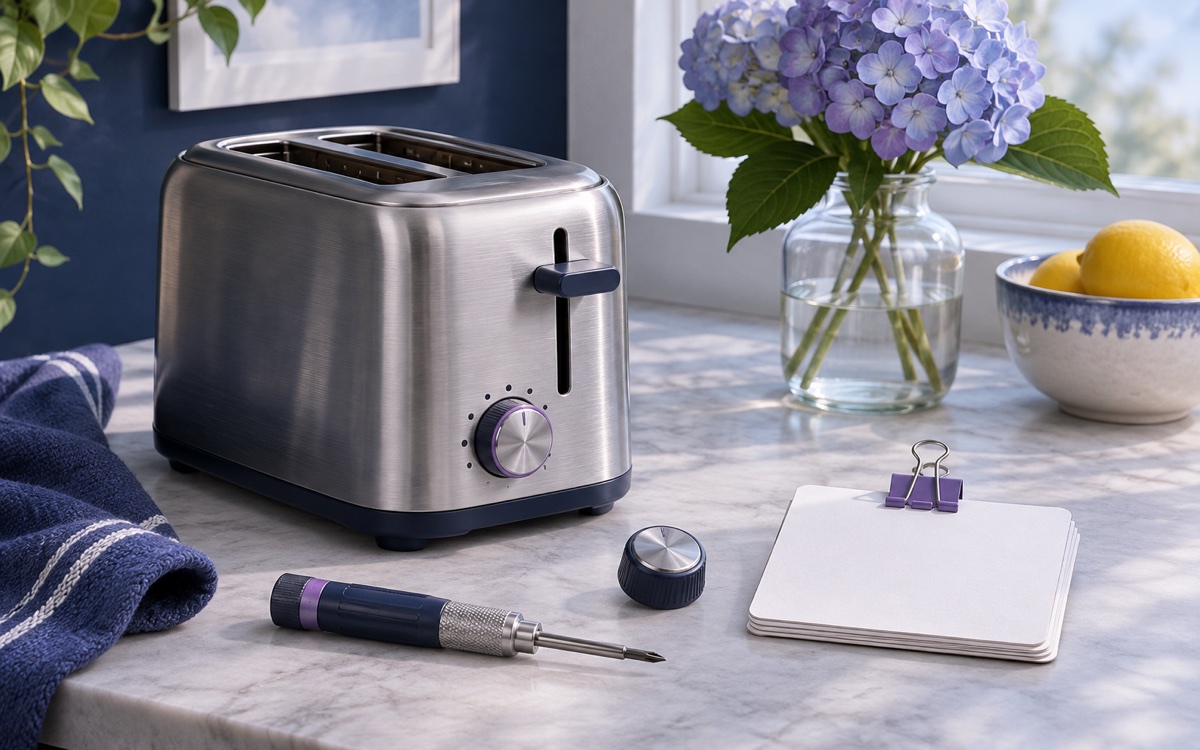
After a service visit or support call, add the date, provider, case or job number, and a short account of what happened. Save the work order or invoice rather than relying on a note alone. If no written summary was supplied, ask the provider for one when appropriate.
Use neutral wording. “Technician replaced part listed on invoice” is more useful than “fixed forever.” If the issue returns, add a new event and connect it to the earlier job. Do not rewrite the original note to make it look as though the later symptom was already known.
Separate diagnosis, work, and outcome
Create three short fields in your notes: reported symptom, provider's finding, and current result. The separation avoids treating your initial suspicion as a confirmed diagnosis. It also makes an unresolved repair easier to see even when a service invoice has been paid.
For a fictional washer, the record might say that a noise was reported, the technician replaced a specified component, and the next normal cycle was quiet. If another noise appears later, record that separately. These are observations, not a technical guarantee about the machine's condition or future reliability.
Attach the right evidence
Keep estimates, approvals, invoices, relevant photographs, and written support responses in date order. Identify which estimate was accepted and which invoice reflects the final work. If several versions exist, label them clearly rather than deleting everything except the last file.
Receipts and service documents may include home addresses, phone numbers, or payment information. Keep full originals privately and prepare a limited copy for an outside recipient. A buyer may need the service history without needing your entire invoice header or unrelated household information.
Track identifiers through replacements
If the whole product or a separately tracked component is replaced, note the old and new identifiers. Preserve the document connecting them. Do not keep using the original serial number simply because the replacement looks the same or occupies the same place.
Ask the provider about any effect on remaining coverage and save its answer. An invoice showing a repair date does not by itself establish a fresh warranty term for the entire item. Keep any stated repair warranty separate from the original manufacturer's terms and explain the distinction in your notes.
Use the history to prepare the next conversation
Before contacting support again, read the previous events and assemble a concise timeline. Include the relevant job numbers and documents. This helps you avoid repeating work or giving conflicting dates, but it should not lead you to claim a cause that has not been established.
A useful follow-up summary can be only a few sentences: what was reported, what was done, and what is happening now. Keep the full file collection available if requested. Do not overwhelm an initial contact with every photograph or receipt from the item's lifetime when two documents answer the immediate question.
Maintain history after ownership changes
When selling or donating an item, decide which service records should accompany it and remove unrelated private details from the copies. Do not describe coverage as transferable unless the relevant provider confirms that. Keep your own archival record of the handoff and update the active inventory.
OwnKeep notes and document attachments can hold a dated service history even without a dedicated repair database. Basic storage and exports are available in Free within the item limit. Use a consistent note format and retain source files; the value comes from a trustworthy sequence, not from how elaborate the interface looks.
Sources & disclosure
Published by OwnKeep, which promotes its own app. Prepared with AI assistance; editorial cover imagery is AI-generated. Product screenshots elsewhere on this site use illustrative sample data. Our editorial approach.
Published 2026-11-22. Last substantively updated 2026-11-22.