 OwnKeep

Start when the item arrives
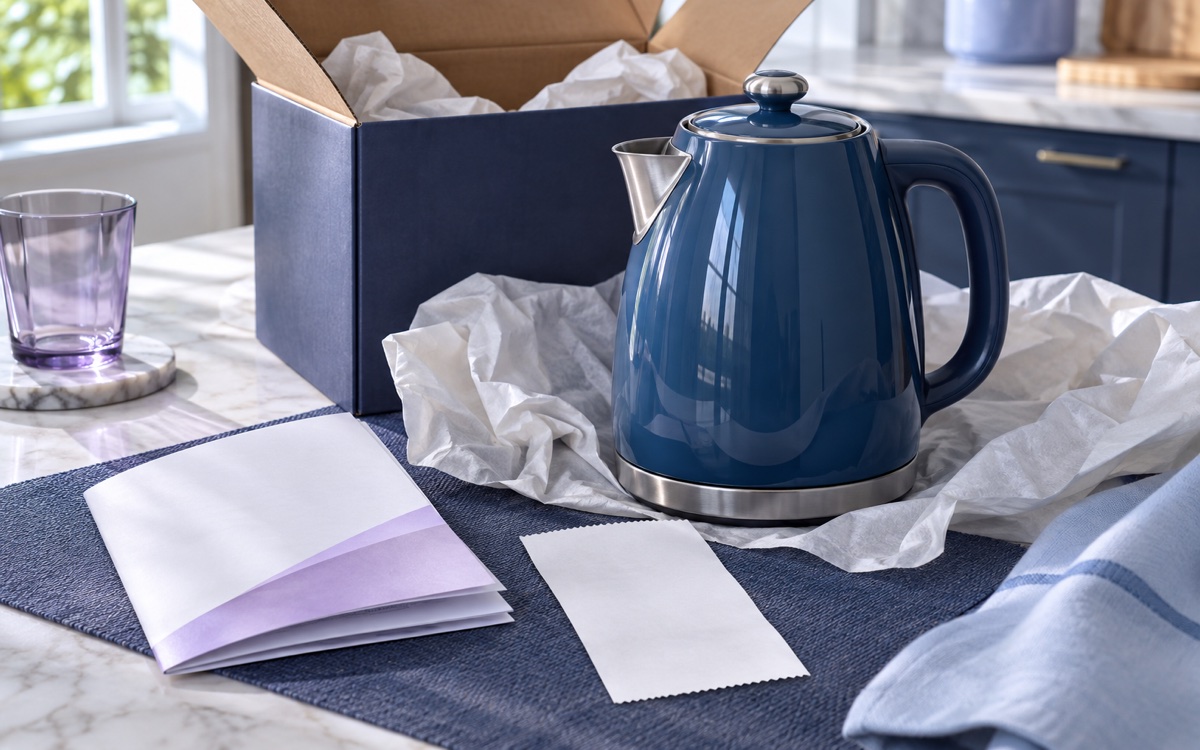
Choose a moment before you put away the receipt or discard packaging. Confirm that the item matches the order and record its recognizable name. If it arrived as part of a bundle, note the included components so you do not later mistake one invoice for several independent purchases.
Keep the first record small. A name, location, photo, and available receipt provide a useful foundation. Add model and serial information when accessible. Do not delay the entire entry because one identifier is hidden or the warranty document has not yet been found.
Capture proof while it is easy
Save the invoice or photograph the receipt clearly. Open the resulting file and check the seller, date, relevant item line, and amount. If several items share the receipt, explain which line belongs to this record rather than assigning the full total to every product.
Take a whole-item photo and a label photo where useful and safe. Review the background for mail, screens, or other private information. Keep the evidence attached to the record so it remains findable by the item's name after the purchase is no longer the newest thing in your camera roll.
Check the immediate decision window
Read the seller's return information for this order. Record the actual deadline and the action required by it, plus an earlier reminder to decide. Keep packaging or accessories as appropriate to the seller's instructions while you assess the product in ordinary use.
Do not assume a standard thirty-day period. A stated return date, a warranty expiration, and a service-plan end date are separate facts. If the policy is unclear, save it and ask the seller. A simple note about the uncertainty is better than a confident but unsupported countdown.
Add coverage only from evidence
Attach the manufacturer warranty and any separately purchased plan. Enter dates from the applicable documents and keep the two periods distinct. If you have only a marketing phrase about duration, leave a follow-up task to obtain the terms rather than deciding how coverage must work.
For an illustrative coffee-machine purchase, the first session can save the invoice and label, confirm the return date, and attach the warranty booklet. A missing plan document becomes one clear task. The record is useful immediately without pretending every coverage question has already been settled.
Finish with one retrieval test
Close the record and find it again by name or room. Open the receipt and verify the main date fields. This checks the complete workflow: capture is only helpful if the information is easy to retrieve. Correct a confusing name now while the item is in front of you.
If the purchase replaces something, update the older item's status and preserve any relevant service or return history. Do not silently reuse the old serial number or invoice. A clear relationship between the old and new records prevents later confusion about which unit a document describes.
Keep the routine sustainable
Use a weekly review for purchases that could not be completed immediately. Work through the specific unresolved tasks and make a dated backup after a useful batch of updates. Avoid turning the routine into a requirement to fill every possible field for every small purchase.
OwnKeep Free supports fifteen local records with photos, receipts, notes, coverage information, basic reminders, and exports. Pro can reduce typing through on-device recognition and expand capacity, but manual review remains essential. The habit is the main improvement: proof and dates become part of putting an item away instead of a separate project you never begin.
Sources & disclosure
Published by OwnKeep, which promotes its own app. Prepared with AI assistance; editorial cover imagery is AI-generated. Product screenshots elsewhere on this site use illustrative sample data. Our editorial approach.
Published 2026-11-22. Last substantively updated 2026-11-22.